
What Is Mamaki Tea? Unraveling The Secrets Of This Herbal Drink
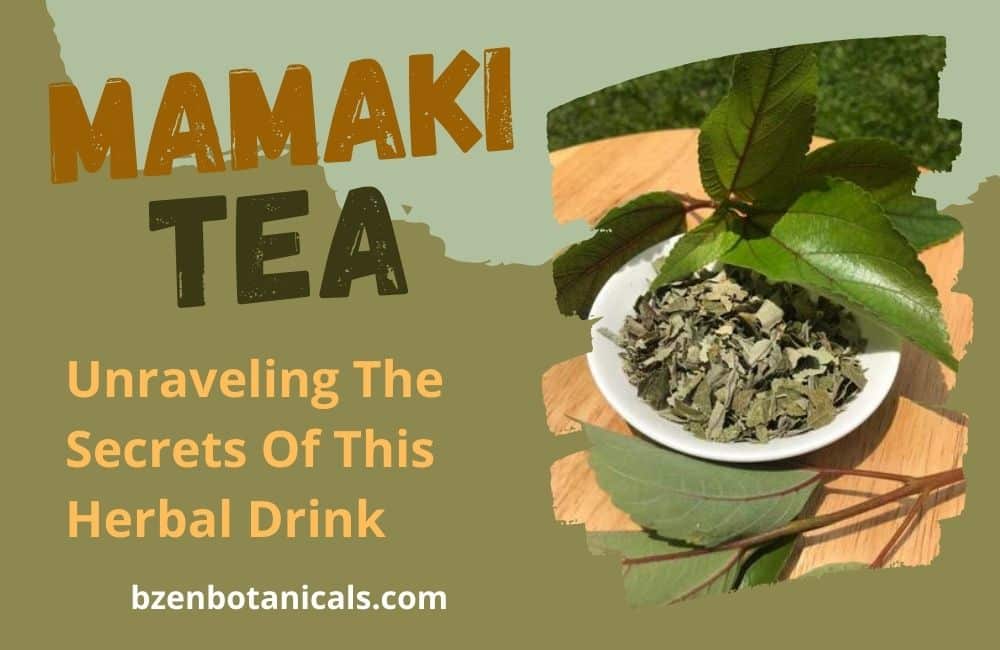
Mamaki tea, an ancient herbal concoction originating from the verdant lands of Hawaii, holds a special place in traditional medicine and cultural practices. In this comprehensive guide, we will talk about the rich history, cultivation techniques, health benefits, and culinary allure of Mamaki tea, shedding light on its remarkable journey from ancient times to modern wellness rituals.
Origin & History
Step back in time to the ancient lands of Hawaii, where the story of Mamaki tea unfolds like a tapestry woven with threads of tradition and reverence. Centuries ago, the indigenous people of Hawaii discovered the remarkable properties of the Mamaki plant, harnessing its leaves for both sustenance and healing. To them, Mamaki was more than just a botanical specimen; it was a sacred gift from the land, a symbol of resilience, and a testimonial to the symbiotic relationship between humans and their environment.
As the generations passed, Mamaki’s wisdom was carefully preserved and woven into daily life and communal rituals. From the chants of Hawaiian healers to the gatherings of ‘ohana (family) around the hearth, Mamaki infused every aspect of Hawaiian culture with its nourishing presence.
Today, as we reflect on the Mamaki’s legacy, we honor the ancestral knowledge passed down through the ages—the stories whispered by the wind, the songs sung by the sea, and the wisdom encoded in the leaves themselves.
How To Grow Mamaki?: Brief Overview
Native to Hawaii, Mamaki thrives in well-drained soil, plenty of sunlight, and moderate rainfall. To start:
- Obtain Mamaki seeds or cuttings from a reputable source.
- Plant them in fertile soil, either in pots or directly in the ground, ensuring enough space to grow.
- Water your Mamaki plants regularly, keeping the soil moist but not waterlogged; avoid overwatering, as this can lead to root rot.
Mamaki is a resilient plant that doesn’t require much maintenance. However, it’s essential to monitor for pests and diseases and treat them promptly to ensure the health of your plants. Harvesting Mamaki leaves is simple — pluck mature leaves from the plant as needed. Be careful not to over-harvest, which can stress the plant and affect future growth.
Once harvested, Mamaki leaves can be dried for later use or brewed fresh to make tea. To dry them, lay the leaves out in a single layer in a well-ventilated area until they are crispy. Then, store them in an airtight container away from light and moisture.
With proper care and attention, your Mamaki plants will thrive, providing a steady supply of fresh leaves for brewing delicious and nutritious tea.
Does Mamaki Tea Contain Caffeine?
One of the distinguishing features of Mamaki tea is its caffeine-free nature. Unlike traditional tea varieties such as black or green tea, Mamaki contains no caffeine. This makes it suitable for consumption at any time of day, even before bedtime, without worrying about disrupting sleep patterns or experiencing caffeine-related jitters.
Mamaki Tea Benefits
Mamaki tea, a cherished elixir from the heart of Hawaii, offers many health benefits that extend far beyond its delightful taste. Here’s a closer look at the remarkable ways Mamaki tea can enhance your well-being:
Restores Damaged Ecosystems
Mamaki cultivation promotes biodiversity and can play a vital role in ecosystem restoration efforts. By planting Mamaki in degraded or deforested areas, farmers can help revitalize the land and create habitats for native wildlife.
Helps In Digestion
Known for its gentle digestive properties, Mamaki tea can alleviate gastrointestinal discomfort and promote digestive health. Whether sipped after a meal or enjoyed throughout the day, this tea provides a soothing solution for digestive woes.
Natural Sunscreen
Packed with antioxidants and phytonutrients, Mamaki tea offers mild protection against sun damage when applied topically. Its anti-inflammatory properties soothe sunburned skin while shielding it from harmful UV rays, making it a versatile addition to your skincare regimen.
Detoxifies Body
Mamaki tea acts as a natural detoxifier, supporting liver function and aiding in eliminating toxins from the body. Its diuretic properties help flush out waste products and excess fluids, promoting detoxification and rejuvenation.
Presence of Biochemical Compounds
Mamaki tea contains many beneficial biochemical compounds, including catechins, chlorogenic acid, and rutin. These compounds contribute to Mamaki’s therapeutic effects, offering antioxidant, anti-inflammatory, and immune-boosting benefits to those who partake in this herbal elixir.
How To Make Mamaki Tea?
Brewing the perfect cup of Mamaki tea is very simple and easy. Please start by selecting high-quality Mamaki leaves, either fresh or dried, and rinse them thoroughly to remove any impurities. For optimal flavor and potency, use filtered water heated to around 180°F (82°C). Steep the leaves in hot water for 5-7 minutes, adjusting the brewing time to suit your taste preferences. Extend the steeping time for a more potent brew; shorten it for a milder flavor. Once brewed, strain the tea and savor its delicate aroma and earthy notes. Mamaki tea can be enjoyed hot or cold, plain or sweetened with honey, or a splash of lemon juice, according to your preference.
Taste of Mamaki Tea
Mamaki tea delights the palate with its subtle yet complex flavor profile. With notes of earthiness and hints of floral sweetness, it offers a refreshing and invigorating sensory experience.
The flavor of Mamaki tea can vary slightly depending on factors such as growing conditions, harvesting methods, and brewing techniques. Some may detect undertones of grassiness or a subtle herbal bitterness, adding depth to the overall taste profile.
Experimenting with different brewing times and temperatures can unlock new dimensions of flavor, allowing you to tailor your Mamaki tea experience to suit your preferences. Regardless of variations, one thing remains constant—the inherent goodness and purity of this tea, derived straight from the heart of nature.
Buy Mamaki Tea Online – B Zen Botanicals
Discover the goodness of Mamaki tea with B Zen Botanicals’s premium collection, sourced directly from sustainable Hawaiian farms. Their popular teas are carefully crafted to ensure freshness and purity, providing you with a delightful taste experience.
Whether you prefer the classic Mamaki flavor or want to explore innovative blends, they have something for every palate. Ordering online is simple and convenient, with doorstep delivery making it easier than ever to enjoy the rejuvenating benefits of Mamaki tea.
FAQ
Is Mamaki tea safe for daily consumption?
Yes, Mamaki tea is generally safe for daily consumption when enjoyed in moderation as part of a balanced diet and healthy lifestyle.
- Can Mamaki tea be enjoyed by children?
While Mamaki tea is safe for most adults, it’s advisable to consult a healthcare professional before giving it to children, especially in concentrated forms or large quantities.
- Does Mamaki tea interact with medications?
Mamaki tea may interact with certain medications or medical conditions. Consult with a healthcare provider if you have any concerns or pre-existing health conditions.
- How does Mamaki tea compare to other herbal teas?
Mamaki tea stands out for its unique flavor profile and therapeutic properties, making it a popular choice among herbal tea enthusiasts. Unlike other herbal teas, Mamaki offers a distinctive taste and a range of health benefits.
- Are there any contraindications for Mamaki tea consumption?
Individuals with allergies to plants in the nettle family or those with known sensitivities to herbal teas should exercise caution when consuming Mamaki tea. As with any dietary supplement, it’s advisable to consult a healthcare professional before incorporating this tea into your wellness routine.
Conclusion
Like a gentle breeze weaving through the lush valleys of Hawaii, Mamaki tea whispers stories of ancient wisdom and modern rejuvenation. Its journey, from the sacred lands of indigenous cultures to the bustling shelves of contemporary wellness seekers, embodies a timeless quest for harmony and vitality. As we bid farewell to this detailed article dedicated to Mamaki’s wonders, let us not merely sip but savor each drop as a tribute to its rich legacy.
So, as you lift your cup to your lips, may you not only taste the earthy sweetness of Mamaki but also feel the pulse of centuries-old traditions coursing through your veins. Let each sip be a celebration of life’s simple pleasures and a reminder of the profound connection between nature and nurture.
Related Posts
A Natural Approach to Better Living with Organic Herbal Tinctures for Wellness
Bring Nature into Your Routine with Herbal Tea Supplement In Georgetown, CA